On the International Day Commemorating the Victims of Acts of Violence Based on Religion or Belief, the editor-in-chief of the ACN Religious Freedom Report speaks about the upcoming edition and the importance of advocating for everyone who suffers for their faith.
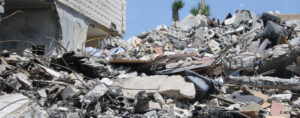
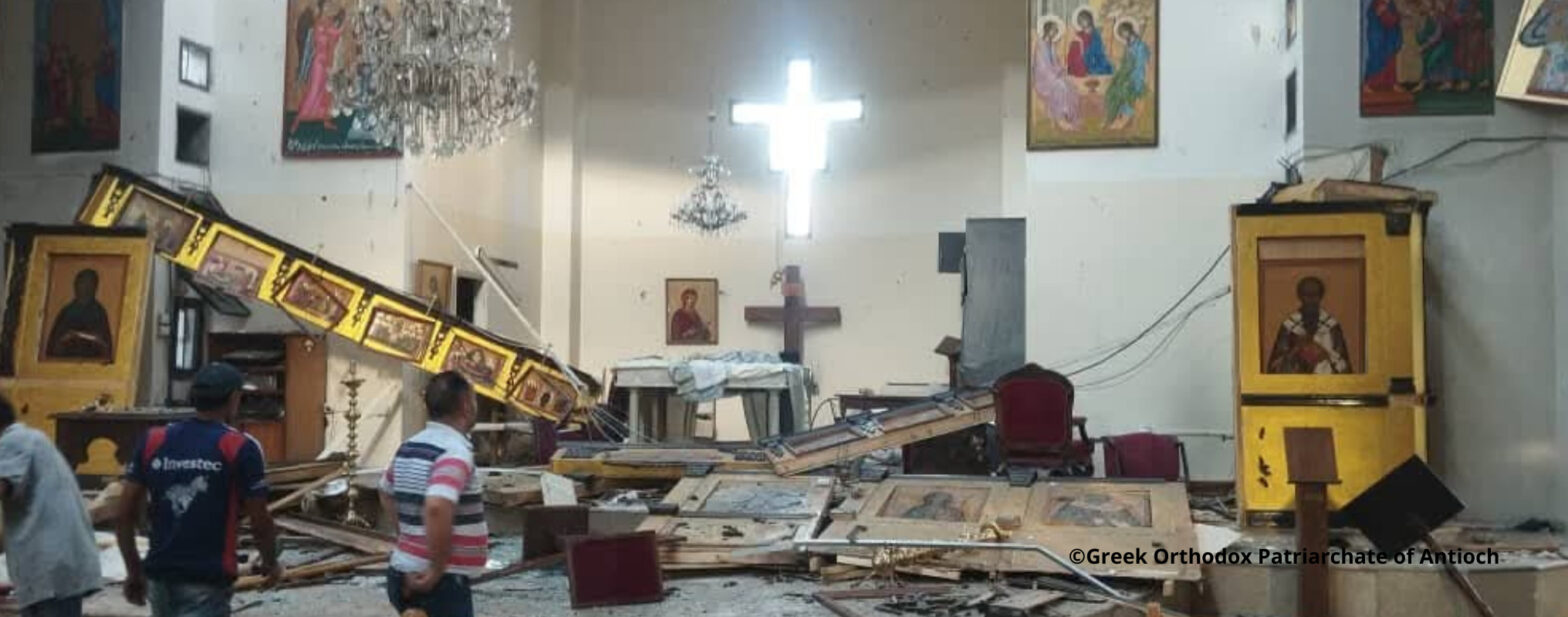
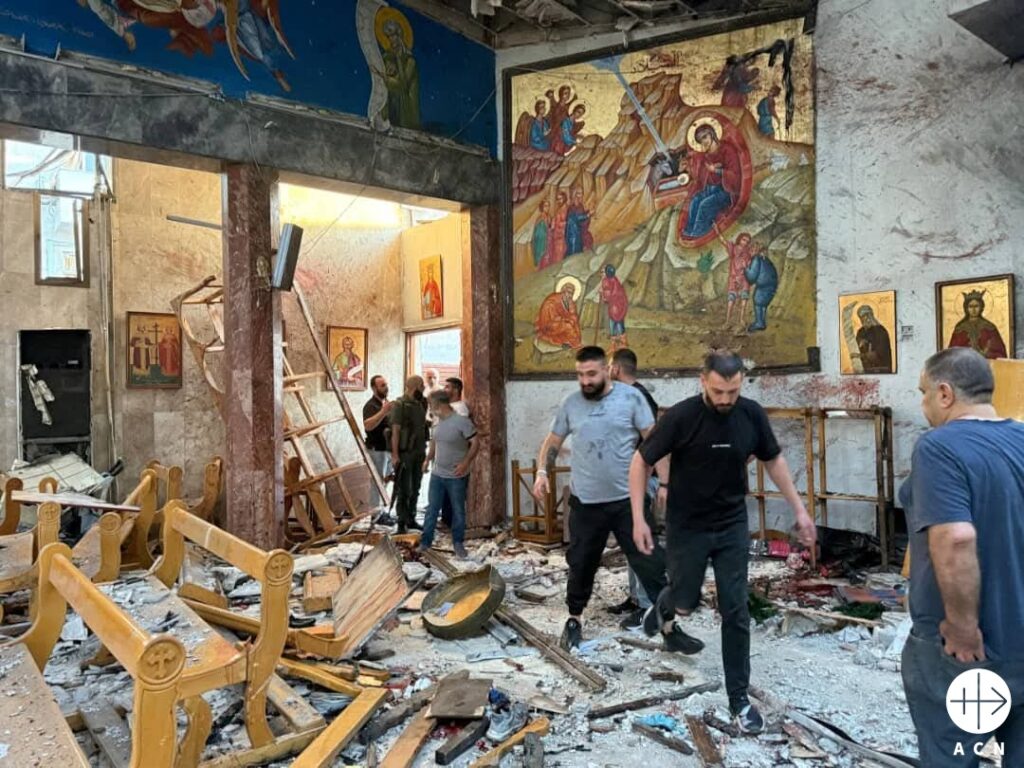
August 22nd marks the International Day Commemorating the Victims of Acts of Violence Based on Religion or Belief. (Cover photo: Deadly suicide attack on June 22 at the Greek Orthodox Church of Saint Elijah in Damascus. At least 30 people were killed and more than 50 others injured.)
Marta Petrosillo is editor-in-chief of the 2025 ACN Religious Freedom in the World Report (RFR) for the latest edition of which will be launched on October 21. In this interview with Filipe d’Avillez from ACN’s press department, she explains why it is important to commemorate this day and sheds some light on the conclusions to expect in the upcoming edition.

Filipe d’Avillez: The idea of suffering for one’s religion seems a very distant reality for some. Is it still a problem that affects many people?
Marta Petrosillo: Indeed, I would say it is a reality for hundreds of millions of people all over the world. It is important to have this day dedicated to the victims of this kind of violence, to raise awareness, because religious freedom violations affect and cause suffering for many people, even though there’s sometimes a tendency to overlook this phenomenon.
ACN publishes the Religious Freedom in the World Report (RFR), which is coming out this year. Could you tell us a little bit about the background of this report?
The first time it was published was in 1999, with the aim of raising awareness, and to report on religious freedom violations. It is currently published every two years.
What makes it special is that the RFR is the only report produced by an NGO that covers the situation in all the countries in the world and for all faith groups, because if religious freedom is denied for one group, sooner or later it will also be denied to others, and for ACN, it is important that religious freedom is granted equally to all.
The RFR will be released in October. Is it too early to make an assessment of whether the global situation has improved or gotten worse since the last report?
Since the beginning of the RFR, the situation has tended to get worse, and unfortunately, this is expected to be the trend for this next edition, especially in some areas of the world.
When we speak about religious persecution, what exactly are we talking about?
There are three different kinds of religious persecution. Firstly, persecution perpetrated by the state. Then there is persecution caused by religious extremism, such as jihadist groups, and another kind of religious persecution is that caused by ethno-religious nationalism.
And what are the countries of main concern at the moment?
One of the continents where the situation, especially during the last decades, has really gotten worse is Africa, where we see that religious extremism has really grown. We see many jihadist groups perpetrating more attacks, including in countries where interfaith relations were not a problem.
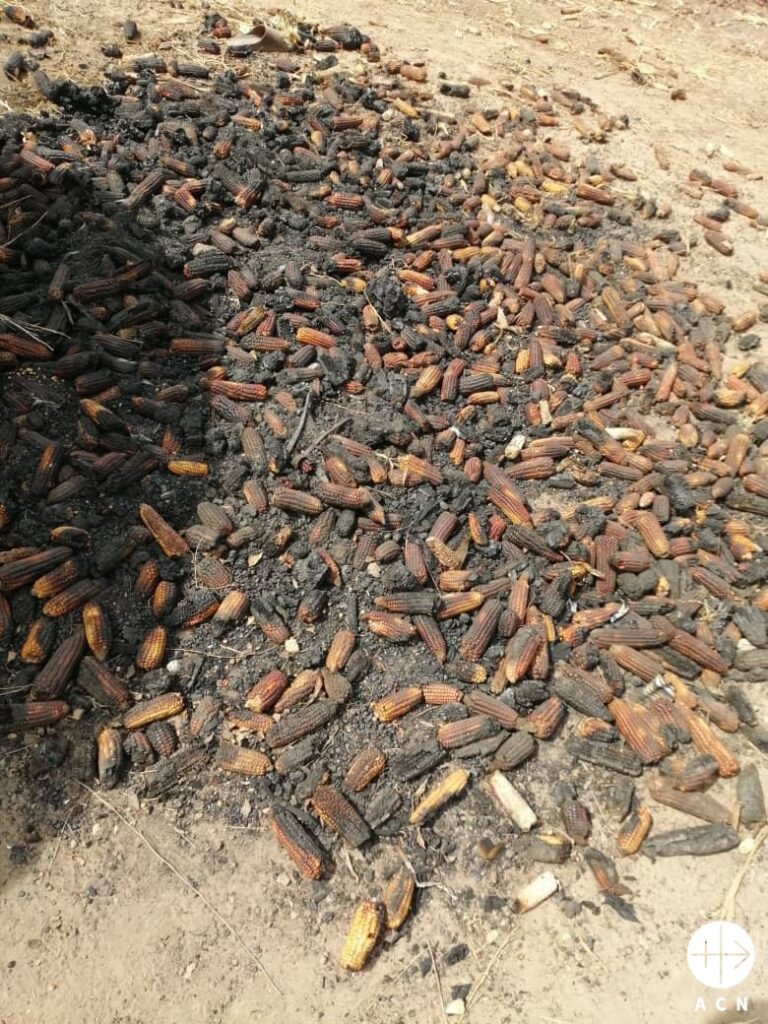
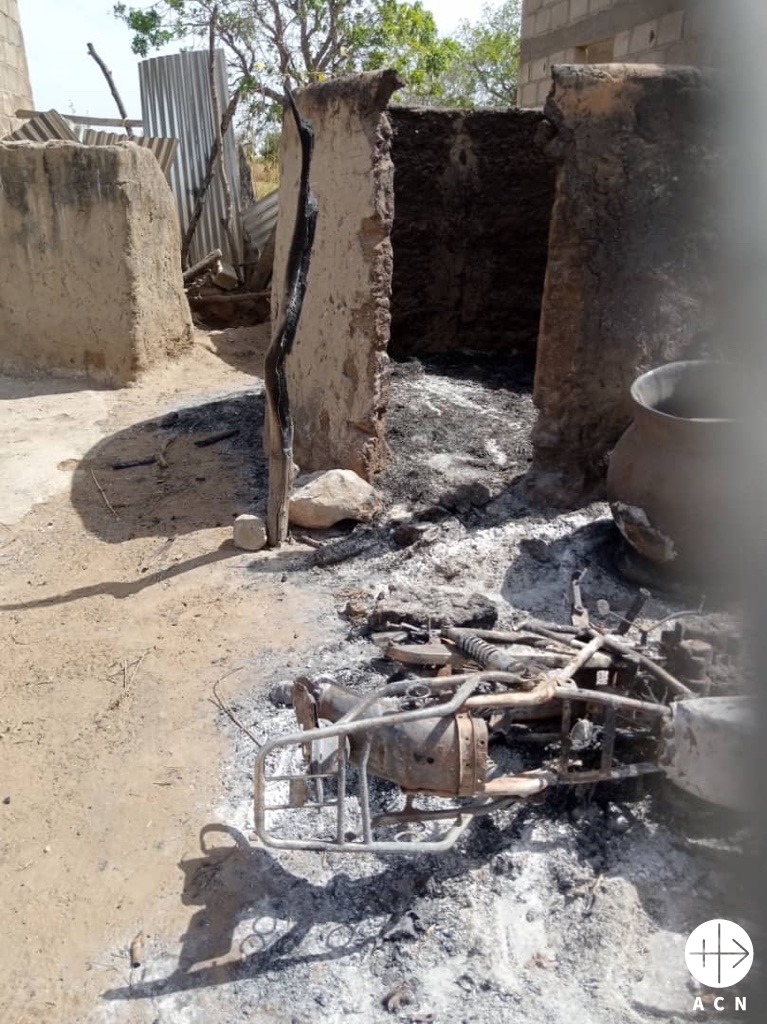
Take the Democratic Republic of Congo, for instance. Historically there have not been problems between faith communities, and it is majority Christian, but we just witnessed a major attack on Christian faithful. This is definitely something that is spreading in many parts of Africa, and it tends to spread from one country to another. There is also the case of Burkina Faso, which 10 years ago was not among the countries of major concern, but nowadays, it is unfortunately one of the places in the world where more jihadist attacks happen.
We have also seen a worsening of the situation of ethno-religious nationalism in Asia, and the Middle East remains an area with significant instability, which also strongly affects religious freedom. Finally, we have also seen more and more violations of religious freedom in Latin America.
That’s not a pleasant scenario… Is there any reason for hope?
I see improvements in the increasing awareness both from civil society and some governments of what is happening. This can be the game changer in order to act against the violation of religious freedom. We can see examples of governments nominating special envoys for religious freedom, and many organizations in civil society.
Is there also reason to be concerned about violations of religious freedom in the West?
There certainly is. During the past years, we saw an increase of attacks against some faith groups, vandalism against churches, and an increase of anti-Semitic and anti-Islamic episodes because of the war in Gaza. Then there is an effort to exclude religion from the public sphere, including what Pope Francis referred to as polite persecution. We are also concerned about disrespect for conscientious objections of people working in the health sector.
There might be some risk that countries will be angry with the coverage given to them in the RFR and retaliate against faith groups. Is that a concern?
The RFR is a mirror, always factual and objective in assessing the situation, and this is very important. We clearly refer to sources for every incident reported. Of course, there is a risk of retaliation, but we cannot be silent, and I strongly believe that this is the way to change things.
We have had cases like Asia Bibi, where the international community really intervened and made it possible for her to be freed. If it hadn’t been for that engagement, she would probably still be in jail. So, of course, it’s a delicate matter, but we must report on what is happening if it is possible to improve the situation.
People will read the RFR, and many will, of course, be very concerned about what is going on in the world and will want to act in some way. What can they do?
In my career, I have interviewed many people who suffer violence related to their faith, and they say they do not want to be forgotten, so it is very important to show support. So, the first thing people can do to help is to spread the word and raise awareness within their milieu, at work, and with their friends. This is really key in order to change the situation. And also, of course, support through prayer and material support.
Finally, do not lose any opportunity to advocate for them, at the local level, at the national level, in any way you can*. Because religious freedom is a human right, but it’s also a shared responsibility. And it’s up to us to ensure that this important human right is respected everywhere equally.
One way to advocate and show solidarity is by participating in Red Wednesday. For more information, please visit: