Priest warns of ‘guerrilla warfare’ following these violent attacks (Banner photo: illustration.)
A priest has warned that terrorists are “infiltrating” villages after a suspected suicide attack in Northeast Nigeria resulted in multiple deaths.
Father Joseph Fidelis, from the Diocese of Maiduguri, told pontifical charity Aid to the Church in Need (ACN) that several attacks had taken place in nearby villages during the two weeks prior to the devastating attack on Monday, March 16, which left 28 dead.
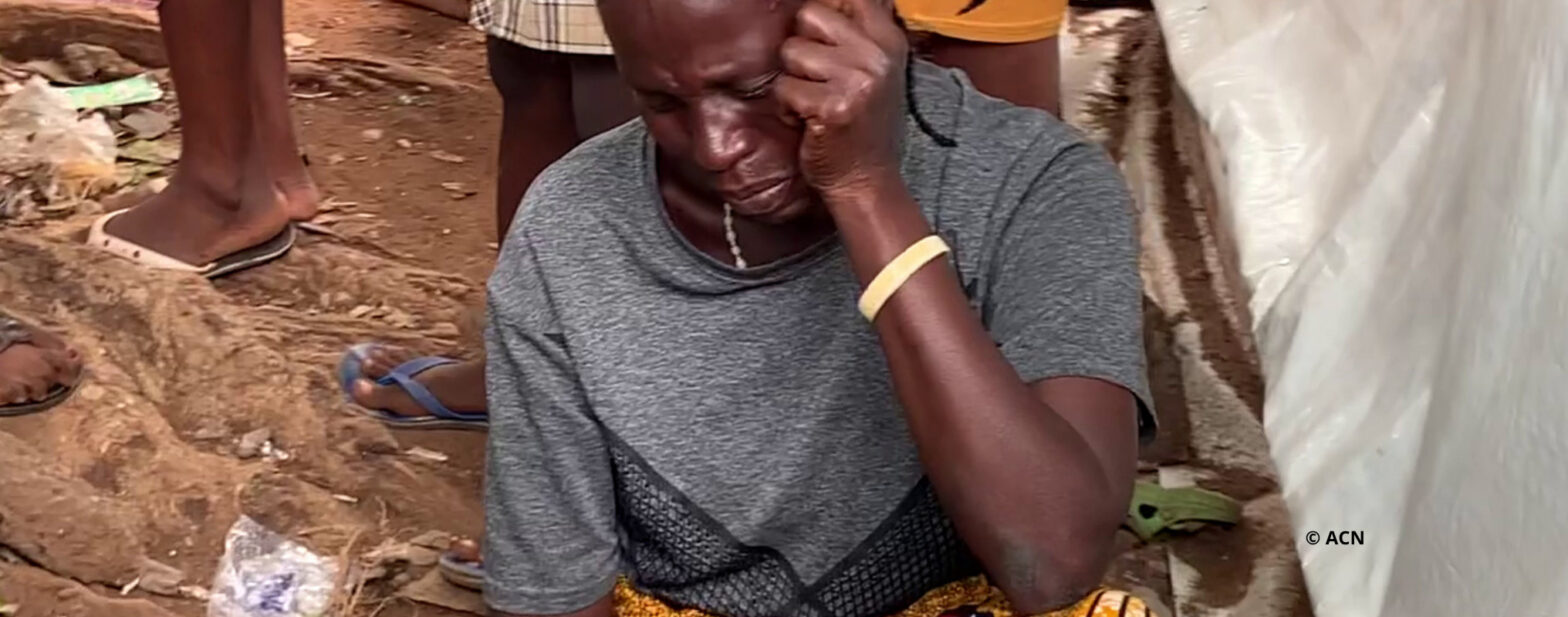
Fr. Fidelis (photo) explained: “On Sunday night, they tried to infiltrate the city, but the military identified them and there was heavy gunfire and they were repelled.”
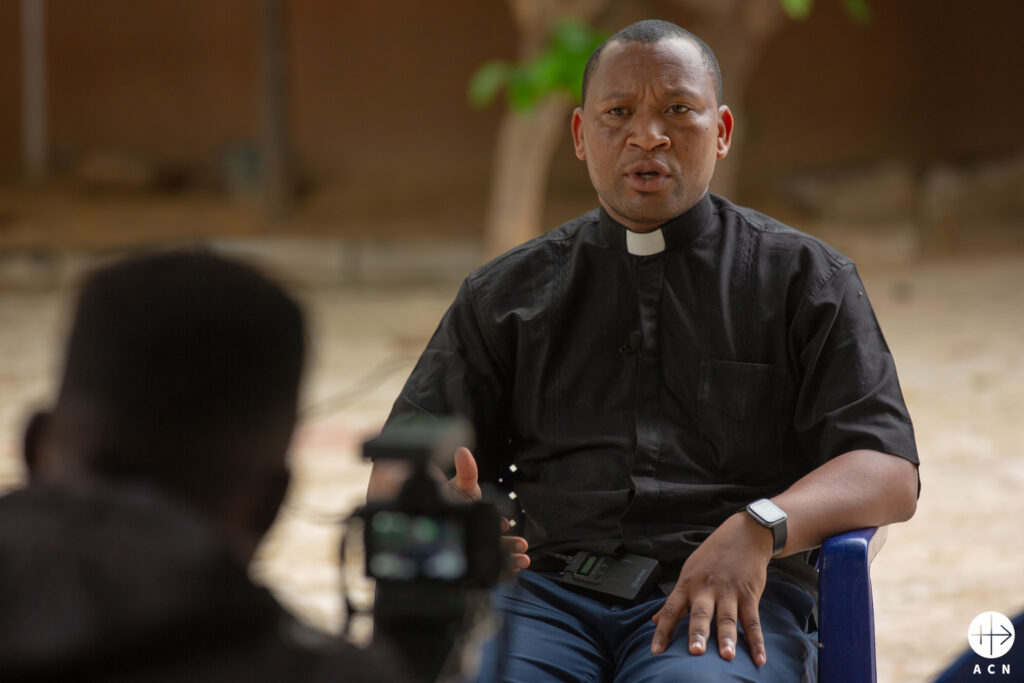
“But by the 16th, some of their advance party were already in the city planning the triple attack.”
The first explosion occurred at the entrance of the university hospital, while the second and third followed a few minutes later at the popular Monday Market and at the post office business area, both located about 4 kilometres from the hospital.
At least 28 people were killed and 108 injured in these coordinated explosions, which occurred at 7:30 p.m. local time, just as crowds were celebrating the end of the Ramadan fast.
According to Msgr. John Bakeni, bishop of the diocese, three Christians were killed in the blasts and at least six have been hospitalized.
Fr. Fidelis told ACN that the terrorists were members of ISWAP (Islamic State: West Africa Province), a cross-border jihadist group with roots in Borno State.
He added: “They take a guerilla approach to their infiltration. They behave like normal people, dress in normal clothes, and get into vehicles like ordinary citizens. The explosive devices were probably assembled inside the city. In one way we give credit to the police, who supervised people returning to their homes to break the Ramadan fast, but despite these efforts, the terrorists still managed to infiltrate.”
Borno police confirmed that the preliminary investigation has revealed that the incidents were carried out by “suspected suicide bombers.” They added that they are trying to identify the attackers and that “normalcy” has returned to the village.

But Fr. Fidelis disagrees: “Normalcy hasn’t returned. The post office normally acts as the central bus station but people are avoiding it. Some are even using back alleys and are afraid to go out. People fear for their lives. Even without the government imposing a curfew, people are staying indoors.”
The priest also explained that attacks in the villages of Ngoshe and Pulka had displaced around 3,000 people to Maiduguri. “This makes security checks more difficult because they can’t stop and search everyone. It’s like guerilla warfare and difficult to control.”
The rise in IDPs has bought added complications. “The more people flee for their lives and are displaced, the more chaotic the situation becomes.”
“Most of the time, when these things happen, people flee to the churches. We are trying to provide food, shelter, makeshift toilets and tents. We ask for your prayers and solidarity. ACN is always the first to help us. They assist us with widows, orphans, and catechists. We are always grateful for their work and greatly appreciate what they do,” he concluded.